In a double closing, an investor buys a property and resells it the same day. It’s common with wholesalers and flippers in South Florida. From the title side, it’s two closings that have to land in the right order.
Who’s who
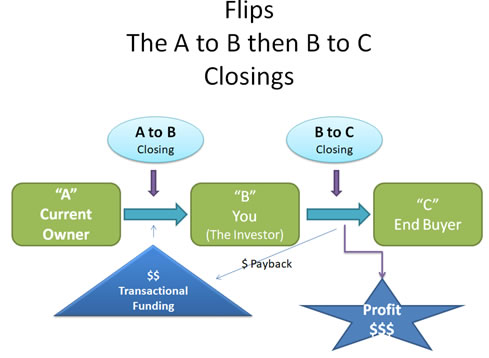
- A is the original owner and seller.
- B is the investor, who buys from A and sells to C.
- C is the end buyer, who ends up owning the property.
Two closings, one day
A double closing is two separate transactions: A to B, then B to C. Each has its own closing statement, its own deed, and its own documentary stamp tax on the deed. Both deeds are recorded in order, so the public record shows A to B, then B to C.
The funding question
The A-to-B closing has to be paid for before B can sell to C. Many title companies won’t use C’s money to fund B’s purchase. B has to bring their own funds for the first leg.
That’s where transactional funding comes in. A transactional lender sends money to the title company to fund the A-to-B purchase. Once everything is in place for both closings, they close back to back, the lender is paid back out of the B-to-C proceeds, and the investor keeps the spread. The loan is usually outstanding only for hours, so approval is based on the deal itself, not on B’s credit or income.
What the title company needs
- Signed paperwork and clear title for both legs
- Funds for A to B confirmed in escrow before anything is disbursed
- C’s funds or loan ready to close the same day
- Estoppels, payoffs, and lien searches cleared up front, just as with any closing
Things that can slow it down
- C’s lender: Some loans, including FHA, have rules about a property that was just bought. Check that C’s financing works with a same-day resale.
- Open title issues: A lien or estate problem on A’s side stops both closings, not just one.
- Association approval: In a condo or HOA, both B and C may need approval or an estoppel. Plan for it early.
Bottom line
A double closing works when the funds, the paperwork, and the title for both legs are ready before closing day. Bring the title company in early, and line up transactional funding if you don’t want to tie up your own cash. You can see how that funding works at Quick Transactional Funding.
Related reading: Florida title insurance explained, how long a Florida closing takes, and association estoppel.
Two back-to-back closings on the same property, A to B and then B to C, usually on the same day.
Many title companies won’t allow it, so the investor brings their own funds or uses transactional funding.
Short-term money sent to the title company to fund the A-to-B purchase, repaid from the B-to-C proceeds.
Yes. Each deed is a separate conveyance with its own documentary stamp tax.
Sometimes not, because FHA restricts recently purchased properties. Check with the lender early.
This article is general information only and is not legal advice. Every transaction is different. For advice about your specific situation, talk with a Florida real estate attorney.